When should a coordinator call off an outdoor volunteer event because of bad weather?
Weather calls are lonely decisions made with incomplete information. A written threshold, a decision deadline, and a rehearsed message make them far less painful.
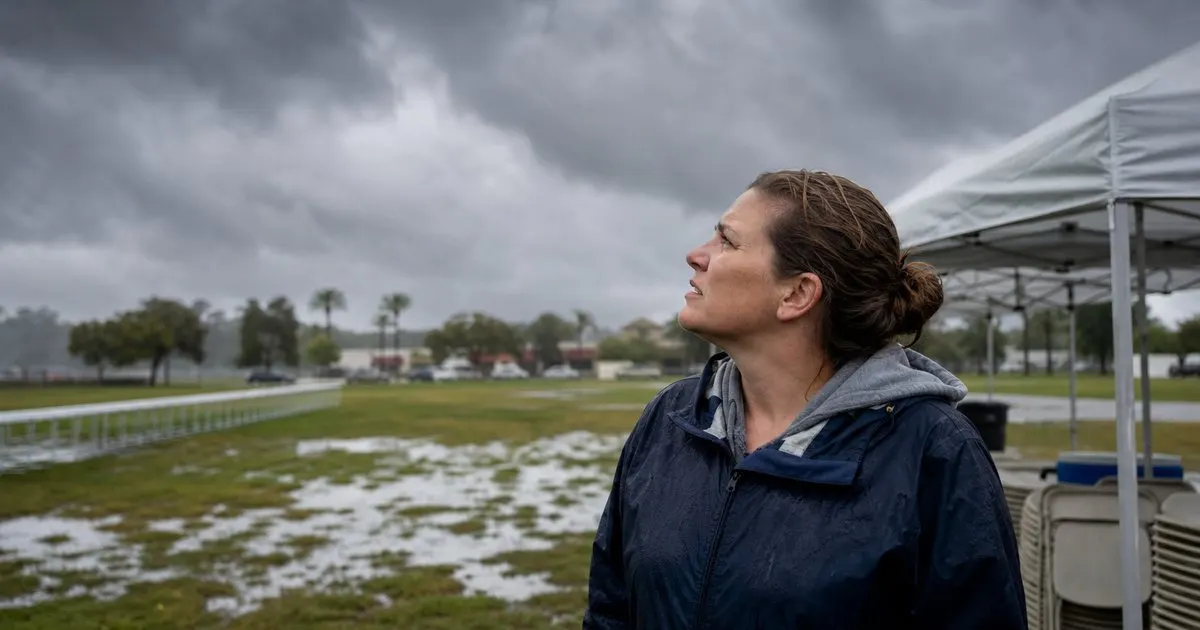
Write the threshold before the forecast exists
The worst time to decide what weather is too much is the morning of the event, while looking at radar and thinking about the forty people who rearranged their day. Decide in advance, in writing, and keep it simple. Lightning within a set distance, sustained high winds that make tents unsafe, a heat index above a level your volunteers cannot safely work in, or a wind chill that makes standing outside for two hours a real risk are the usual triggers. Rain by itself is usually a comfort problem, not a safety one, unless the work involves slippery surfaces or electrical equipment.
Put the threshold in the event description so volunteers know it too. When people can see that the event runs in rain but not in lightning, they self-select honestly, and they are far less surprised by whichever call you make. It also removes the coordinator from the position of appearing to make a mood-based decision.
Keep reading: Why does coordinating volunteers through group texts fall apart as an organization grows?, How can a nonprofit fill last-minute volunteer shift gaps before an event begins?, What is the most effective way to reduce volunteer no-shows for scheduled shifts?. See how HelperRoster helps you volunteer shift scheduling and rosters.
Set a decision deadline and honor it
A decision deadline is the hour by which you will announce go, no-go, or delay, whatever the forecast says. For a Saturday morning cleanup, a deadline of 7 pm Friday for a preliminary call and 6 am Saturday for the final call is a common pattern. The deadline matters because the alternative is a slow drip of 'we are watching it' messages that leave volunteers unable to plan and unsure whether to check their phone again.
Honor the deadline even when the forecast is uncertain. If you cannot make a confident call at the deadline, that itself is information: it usually means you should postpone rather than gamble, or shift to a delayed start. Volunteers forgive a cautious cancellation. They do not forgive standing in a parking lot at 8 am waiting for someone to decide.
Have the message and the channels ready
Draft the cancellation message before the event, with blanks for the date and the reason. It should say clearly that the event is canceled or delayed, why, what happens to the work (rescheduled, canceled outright, moved indoors), and what volunteers should do now. Include the rescheduled date if you have one. Keep it short enough to read on a phone in the rain. Related: How can a nonprofit fill last-minute volunteer shift gaps before an event begins?
Then send it on every channel you use, in order of reliability. A push or text notification through your scheduling tool reaches people fastest; email is the record; a social post catches anyone who forgot to register. Confirm that your shift leads received it directly, because someone always shows up, and you want a lead at the site for the first thirty minutes to turn people around kindly. Related: Why does coordinating volunteers through group texts fall apart as an organization grows?
Decide what happens to the work and the people
A cancellation is not finished when the message goes out. Decide whether the work moves to a rain date, gets absorbed into regular shifts, or is dropped, and tell volunteers which. Move their sign-ups to the rain date if your system supports it, or ask them to re-register with one link. A volunteer who has to hunt for the new date usually does not find it. Related: What is the most effective way to reduce volunteer no-shows for scheduled shifts?
Also consider a partial alternative. Some events can shift indoors to sorting, assembly, or admin work with a smaller crew. Offering a no-obligation indoor option preserves the day for the people who cleared their schedule and gives your most committed volunteers something to do. Record what you decided and how it went, so next year's threshold and deadline are informed by more than memory. Related: When does setting up recurring volunteer shifts make more sense than posting each one?
- Write a weather threshold in advance and publish it in the event description so volunteers know the rules before the forecast exists.
- Set a decision deadline for go, no-go, or delay and honor it, because an uncertain forecast at the deadline usually means postpone.
- Pre-draft the cancellation message and send it on every channel, with a lead at the site to redirect anyone who shows up.
- Decide what happens to the work, move sign-ups to the rain date, and consider a low-pressure indoor alternative.

Julien Jimenez
Julien Jimenez is an independent software builder based in Paris. He designs, ships, and operates focused SaaS products for small businesses and independent professionals. Read the full author page.
Fill Every Shift With Ease
Volunteer shift scheduling and rosters. HelperRoster is built to help you put this into practice.
Start free trialMore from the HelperRoster blog


How can a nonprofit fill last-minute volunteer shift gaps before an event begins?

What is the most effective way to reduce volunteer no-shows for scheduled shifts?
Get the HelperRoster playbook
Practical guides on volunteer coordination, straight to your inbox as we publish them. No spam, unsubscribe any time.